Understanding Interest Rates and Their Impact on the Economy

Interest rates influence nearly every aspect of the economy, from the cost of buying a home and financing a car to the returns earned on savings accounts and investment portfolios. Although they often receive attention only when borrowing costs rise, interest rates play a fundamental role in maintaining economic stability and guiding financial decision-making.
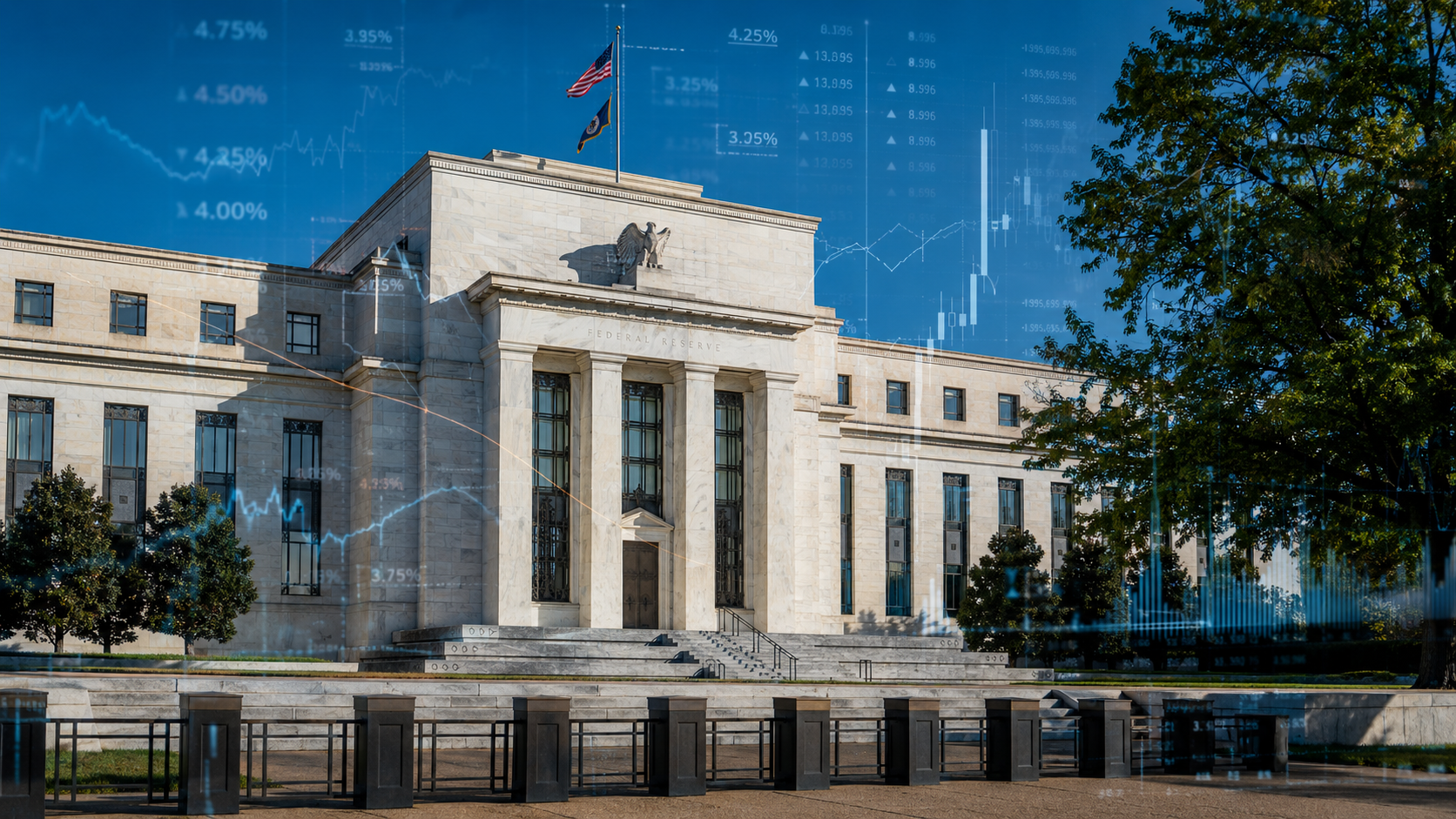
In the United States, the Federal Reserve uses interest rates as one of its primary tools to manage inflation, encourage employment, and promote sustainable economic growth. By raising or lowering benchmark rates, policymakers can influence consumer spending, business investment, and overall economic activity.
For individuals, changes in interest rates can affect mortgage payments, credit card balances, personal loans, and retirement savings. Businesses also respond to interest rate movements when making decisions about hiring employees, expanding operations, or investing in new equipment.
Understanding how interest rates work can help consumers make better financial decisions, anticipate changes in borrowing costs, and interpret economic news with greater confidence. This guide explains what interest rates are, why they matter, and how they influence everyday life, financial markets, and the broader U.S. economy.
What Are Interest Rates?
Interest rates represent the cost of borrowing money or the reward for saving it. Expressed as a percentage of the principal amount, an interest rate determines how much a borrower pays a lender over a specific period or how much a saver earns on deposited funds.
For example, if you borrow $10,000 with a 5% annual interest rate, you will pay interest in addition to repaying the original amount. Likewise, if you deposit money into a savings account, the bank may pay you interest as compensation for allowing it to use your funds.
Interest rates influence nearly every financial decision in the economy. They affect mortgages, auto loans, business financing, credit cards, student loans, savings accounts, certificates of deposit (CDs), and many investment products.
Because borrowing and saving play a central role in economic activity, interest rates are among the most closely watched financial indicators in the world.
Why Interest Rates Matter
Interest rates act as the economy’s financial thermostat. When borrowing becomes less expensive, consumers and businesses are generally more willing to spend and invest. When borrowing costs increase, spending often slows, helping reduce inflationary pressures.
This balance allows policymakers to influence economic growth without directly controlling consumer behavior.
Interest rates affect:
- Mortgage payments
- Car loans
- Credit card debt
- Business expansion
- Home construction
- Consumer spending
- Employment
- Stock market performance
- Bond yields
- Retirement savings
Even small adjustments in interest rates can have significant effects across the economy because they influence millions of financial transactions every day.
How the Federal Reserve Sets Interest Rates
The Federal Reserve, commonly known as “the Fed,” is the central banking system of the United States. One of its primary responsibilities is maintaining price stability while supporting maximum employment.
Rather than setting every interest rate directly, the Federal Reserve establishes the federal funds rate, which is the rate banks charge one another for overnight lending. Changes to this benchmark influence many other borrowing rates throughout the economy.
When inflation rises above the Fed’s target, policymakers may increase interest rates to slow economic activity. Higher borrowing costs often reduce consumer spending and business investment, easing demand and helping stabilize prices.
Conversely, during periods of weak economic growth or recession, the Federal Reserve may lower interest rates to encourage borrowing, stimulate investment, and support job creation.
The Federal Open Market Committee (FOMC) meets regularly throughout the year to evaluate economic conditions and determine whether interest rates should be adjusted based on inflation, employment, consumer spending, and overall economic performance.
How Higher Interest Rates Affect Consumers
When interest rates increase, borrowing money becomes more expensive. This affects households in several ways.
Mortgages
Higher mortgage rates increase monthly payments for homebuyers, making homeownership less affordable. As financing becomes more expensive, demand for housing often slows, which can moderate home price growth.
Auto Loans
Purchasing a vehicle through financing also becomes more costly. Higher monthly payments may encourage consumers to postpone buying new cars or choose less expensive models.
Credit Cards
Most credit cards have variable interest rates. When benchmark rates rise, many credit card holders see higher interest charges on outstanding balances, increasing the overall cost of carrying debt.
Personal Loans
Loans used for home improvements, medical expenses, education, or debt consolidation typically become more expensive, leading some consumers to delay major purchases.
At the same time, higher interest rates can benefit savers by increasing returns on savings accounts, money market funds, and certificates of deposit.
How Lower Interest Rates Stimulate the Economy
Lower interest rates generally encourage borrowing and spending.
Consumers may be more likely to purchase homes, finance vehicles, renovate properties, or make large purchases because monthly loan payments become more affordable.
Businesses also benefit from lower financing costs. Companies can borrow money to invest in new equipment, expand operations, hire employees, and develop new products.
Lower borrowing costs often increase economic activity by encouraging investment throughout multiple industries.
However, interest rates that remain too low for too long may contribute to excessive borrowing, higher inflation, or asset bubbles in financial markets.
Interest Rates and Inflation
Interest rates and inflation share a close relationship.
When inflation rises rapidly, central banks often respond by increasing interest rates. Higher borrowing costs reduce consumer spending and business investment, helping ease demand for goods and services.
As demand slows, businesses may become less likely to continue raising prices, allowing inflation to gradually move toward the central bank’s target.
On the other hand, when inflation is very low—or when the economy experiences deflation—the Federal Reserve may lower interest rates to encourage borrowing, spending, and investment.
Maintaining the right balance between inflation and economic growth is one of the most challenging responsibilities faced by central banks around the world.
How Interest Rates Affect Investments
Interest rates influence nearly every major asset class.
Stocks
Higher interest rates can reduce corporate profits by increasing borrowing costs. Investors may also shift money toward lower-risk investments when savings accounts and bonds begin offering more attractive returns.
Growth companies, particularly those that rely heavily on borrowing, may experience greater pressure during periods of rising interest rates.
Bonds
Bond prices generally move in the opposite direction of interest rates.
When interest rates rise, existing bonds with lower yields become less attractive, causing their market prices to decline. Conversely, when interest rates fall, existing bonds often increase in value because they offer higher fixed returns than newly issued bonds.
Savings Accounts
Unlike borrowers, savers often benefit from higher interest rates.
Banks may increase yields on savings accounts, certificates of deposit (CDs), and money market accounts, allowing individuals to earn more income on deposited funds.
Real Estate
The housing market is particularly sensitive to interest rate changes.
Higher mortgage rates often reduce housing demand, while lower rates typically stimulate home purchases and refinancing activity.
What Consumers Should Watch
Although interest rates are determined by policymakers, consumers can prepare for changes by monitoring key economic indicators.
Some of the most important include:
- Inflation reports
- Federal Reserve announcements
- Employment data
- Consumer spending
- Gross Domestic Product (GDP)
- Housing market activity
Understanding these indicators helps consumers anticipate changes in borrowing costs and make more informed financial decisions.
Individuals should also regularly review their budgets, compare loan offers, reduce high-interest debt when possible, and maintain emergency savings to better navigate changing economic conditions.
By staying informed, households can adapt their financial strategies as interest rates rise or fall, helping protect long-term financial stability and support smarter investment decisions.