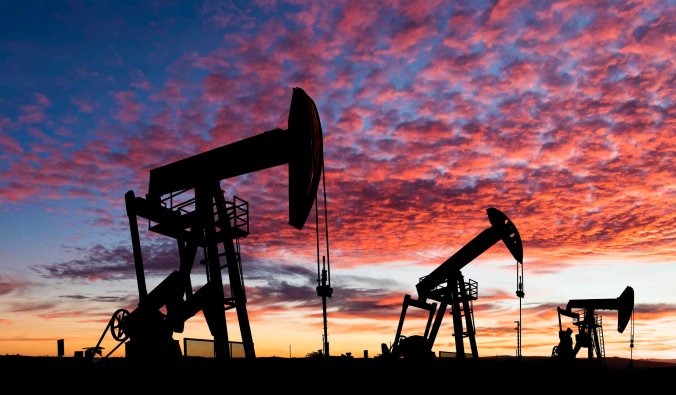
U.S. crude oil production reached a new all-time high in April, reflecting increased drilling activity and stronger output from some of the nation’s largest energy-producing regions. According to newly released data from the U.S. Energy Information Administration (EIA), domestic production averaged 13.93 million barrels per day, surpassing the previous monthly record.
The increase comes after global oil prices experienced significant volatility earlier this year, prompting many producers to expand production in response to stronger market conditions.
Production Sets New Record
The Energy Information Administration reported that U.S. crude production increased by approximately 216,000 barrels per day compared with March.
Much of the growth was driven by production in the Permian Basin, one of the world’s most productive oil fields, which spans parts of Texas and New Mexico.
The latest figures underscore the continued strength of the U.S. energy sector, even as oil markets remain influenced by geopolitical developments and changing global demand.
Texas and New Mexico Lead Growth
Texas, the nation’s largest oil-producing state, increased production to 5.83 million barrels per day, marking its strongest monthly performance since late 2025.
New Mexico also reached a record level of 2.37 million barrels per day, highlighting continued expansion in the Delaware Basin, a major section of the Permian region that has attracted significant investment in recent years.
North Dakota, another major contributor to U.S. oil production, reported output of approximately 1.13 million barrels per day, representing its highest production level in several months.
Higher Prices Encouraged Increased Production
The production increase followed a period of elevated global oil prices earlier this year.
Energy markets experienced sharp price movements during heightened geopolitical tensions involving Iran, as investors monitored the potential impact on global crude supplies.
Although benchmark crude prices have since moderated, stronger prices during the spring provided additional incentives for producers to increase drilling activity and expand production.
By early July, U.S. crude futures were trading near $70 per barrel, significantly below the highs reached during the peak of market volatility but still at levels that support continued production across many shale regions.
Outlook for the U.S. Energy Sector
Industry analysts continue to monitor several factors that could influence production during the remainder of the year, including global oil demand, OPEC+ production decisions, domestic drilling activity, and future geopolitical developments.
The United States remains one of the world’s largest crude oil producers, and sustained production growth could play an important role in global energy markets, fuel prices, and broader economic conditions.
However, analysts note that future output will likely depend on commodity prices, capital investment, and market conditions rather than production capacity alone.
Conclusion
The latest EIA data highlights the resilience of the U.S. energy industry, with crude oil production reaching its highest monthly level on record. Strong output from Texas, New Mexico, and North Dakota has reinforced America’s position as a leading global oil producer.
As energy markets continue to respond to economic trends and international developments, investors, policymakers, and consumers will closely watch whether record production levels can be maintained throughout the remainder of the year.
About the Author